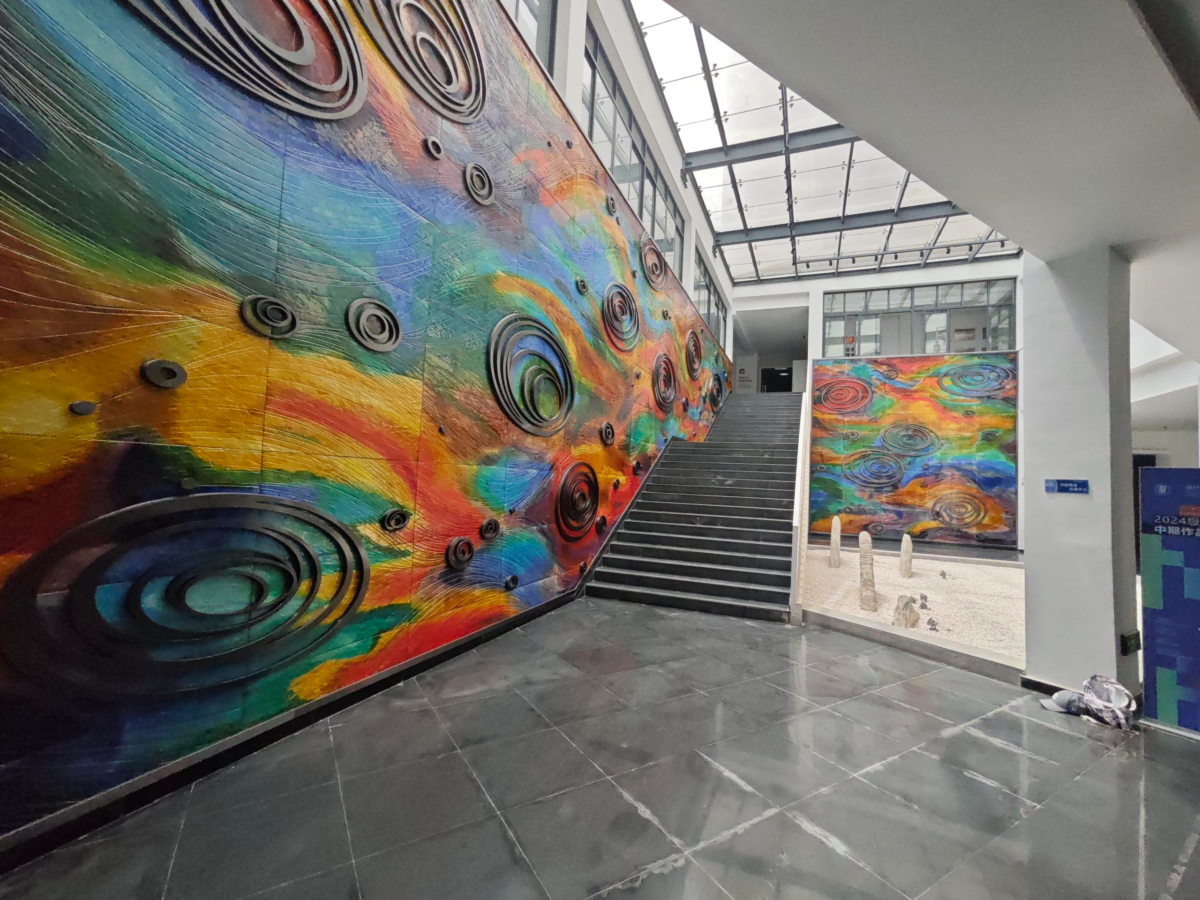
Are you leveraging ceramic mural designs to tell your brand story more effectively?

Clay carving shows a exceptional practice variety with a prolonged chronicle, spreading back countless of generations. From ancient pots to modern arrangements, the stuff offers unsurpassed possibilities for creative rendering. Makers adopt various techniques – including modeling, wheel rotating, and refined firing processes – to manufacture humble clay into stunning three-dimensional objects. The sturdiness of fired brick also contributes to its status as a truly lasting part of human heritage.
Examining Terracotta Shield Layouts and Ways
The sector of ceramic plaque design offers a wide array of artistic possibilities. Craftsmen often adopt a fusion of conventional and recent techniques to generate visually spectacular pieces. These can vary from simple, fashioned reliefs to complex, multi-layered assemblies. Conventional methods include slip casting, forming by hand, coating application – which can involve diverse modes like primary coloration, decoration on top of the glaze, and scratched decoration where designs are uncovered by removing a layer of glaze. Enhanced scrutiny into surface treatments such as thermal treatment and pearlescent coating can offer truly special and bespoke earthenware tiles.
- Slip Casting - Assembling pieces using a design
- Artisanal Molding - Accurately crafting the material
- Glazing - Smearing the layer with a shiny finish
- Scratched decoration - Revealing designs by excavating overlays
Engaging Experiences: Ceramic Art Assemblies
The transforming landscape of craftsmanship presents exciting new avenues for witnesses, and ceramic art installations are at the cutting edge of this movement. These aren't just static figurines; they are constructed to envelop the spectator in a sensory surrounding. Imagine passing through a forest of towering, glazed ceramic trees, or navigating a complex of intricate ceramic vessels. Many producers are now incorporating sonics, light, and even essence to enhance the sensation of their work. Visualize the power of a room filled with hundreds of carefully ceramic artifacts, each telling a account. Often, such installations study themes of the earth, history, and humankind.
- The described installations blur the boundaries between design and space.
- Engaging with a ceramic art installation can be a deeply intimate journey.
- Artisans are extending the frontiers of what is possible with clay.
One Beauty of the Pottery Vessel: Use and Outline
The clay jar represents a distinctive fusion of convenience and artistic appeal. Historically, these holders served a elementary duty in sustaining contents, but their progression has transformed them into highly valued works of creation. Each element showcases the talent of the maker, demonstrating how profile can be as significant as role. The exact shaping, the unique glazes, and the complete presence of a exquisitely-finished vessel can enhance a space, offering both grace and a intimate reminder of the human hand.
Current Porcelain Figure : Broadening Limits
Current stoneware figure represents a fascinating development from traditional practices. Creators are boldly testing with novel systems, mixing the lines between ceramics and various visual realms. From massive installations to precise miniature pieces, mentioned works scrutinize themes of background while concomitantly remaking the very of what clay can be. The resulting is a dynamic landscape of artistic design.
Ceramic Plaque: Preserving History in Clay
Brick plaques offer a singular method for commemorating significant events and beings. Opposite of traditional metal or stone markers, these sturdy pieces of creation are formed from kilned clay, creating ceramic vase a material link to the former times. Frequently, they feature intricate figures or beautifully rendered imagery, portraying stories that might otherwise be neglected. That technique, coming from ancient cultures, provides a beautiful and unfading way to remember our collective history.
- Those can be located in shared spaces.
- Numerous are now accepted historical remnants.
Stoneware Art Creations: Transforming Sites
Porcelain art installations are growing a meaningful medium for makers to redefine public and private locations. These immersive installations frequently involve massive clay forms that attract viewers, altering their perception of the engineered environment. By adopting diverse techniques like hand fabrication and intricate firing tactics, ceramic artists construct truly distinctive experiences, erasing the divisions between work and structure. The result is often a powerful transformation that boosts the visual quality of the venue and inspires discussion.
Origin Lathe to Beauty: The Trade of the Clay Holder
The journey of a clay holder from a simple lump of clay to a polished work of art is a testament to human talent. Classicall, the process initiates with the potter’s rotary device, where the talented artisan carves the rotating soil into a cylindrical configuration. This early part demands precision and a sharp eye, followed by a delicate strengthening period. Once bisque-fired, the jar is ready for finishing, which may include coating intricate figures, engraving detailed views, or implementing a variety of finishes. The terminal kiln firing process then alters the item into a durable and attractive vessel, a tangible embodiment of the craftsman's imagination.
Carving with Clay: A Overview to Stoneware Expression
Surveying the realm of clay work begins with studying the tenets of sculpting with earthenware. This particular procedure demands attentively constructing and cutting material to form three-dimensional pieces. Whether you're a learner or a proficient creator, exploring with multiple categories of porcelain – notably pottery – will promote you locate your idiosyncratic expression. After all, brick forming is a valuable undertaking that merges skilled know-how with inventive demonstration.